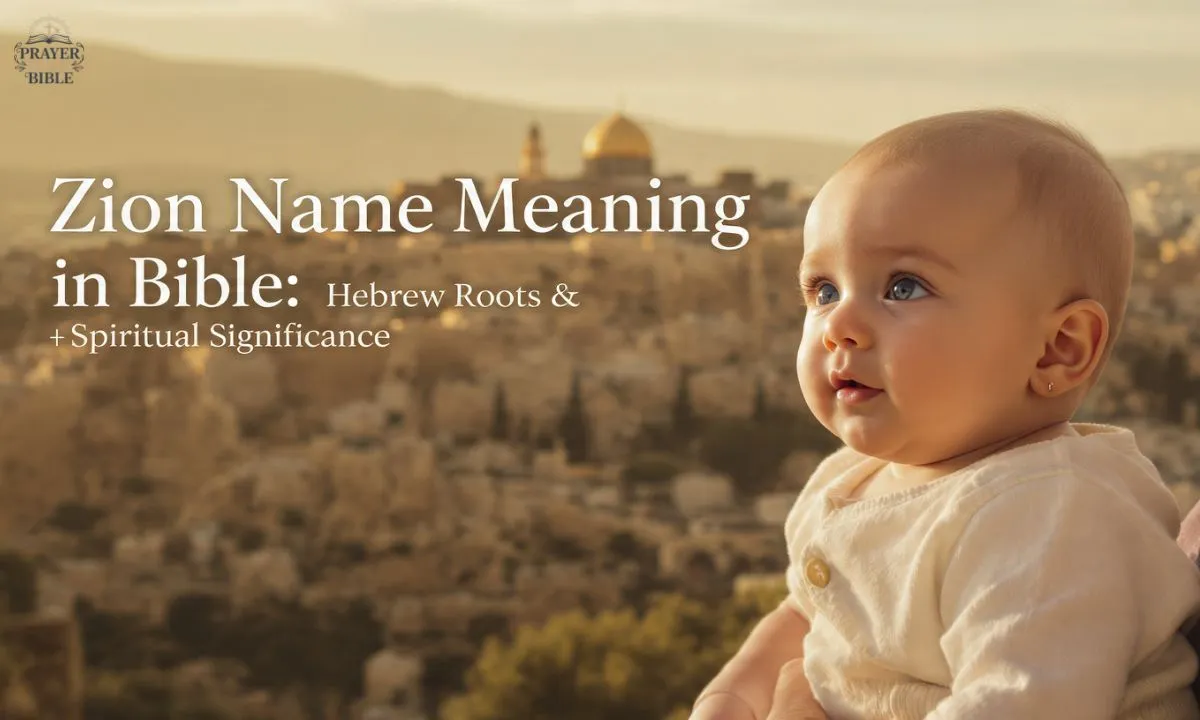
Zion is more than just a name—it’s a sacred place mentioned throughout the Bible. It refers to a fortified hill in Jerusalem that became a powerful symbol of God’s presence and His kingdom. Understanding the Zion name meaning in Bible opens the door to Scripture’s beautiful spiritual truths.
Have you ever wondered why this name carries such deep emotion in worship songs and prayers? Why does Zion stir something profound in the hearts of believers? There’s a reason this word feels like home to the soul—it represents God’s dwelling place and His promise to be with His people forever.
Rooted in Hebrew tradition, Zion appears over 150 times in the Bible, symbolizing divine protection, Jerusalem’s spiritual heart, and the eternal city of God. It’s not just geography—it’s prophecy, promise, and presence. Let’s explore the layers of meaning hidden in this one powerful name.
What Does the Name Zion Mean in the Bible?
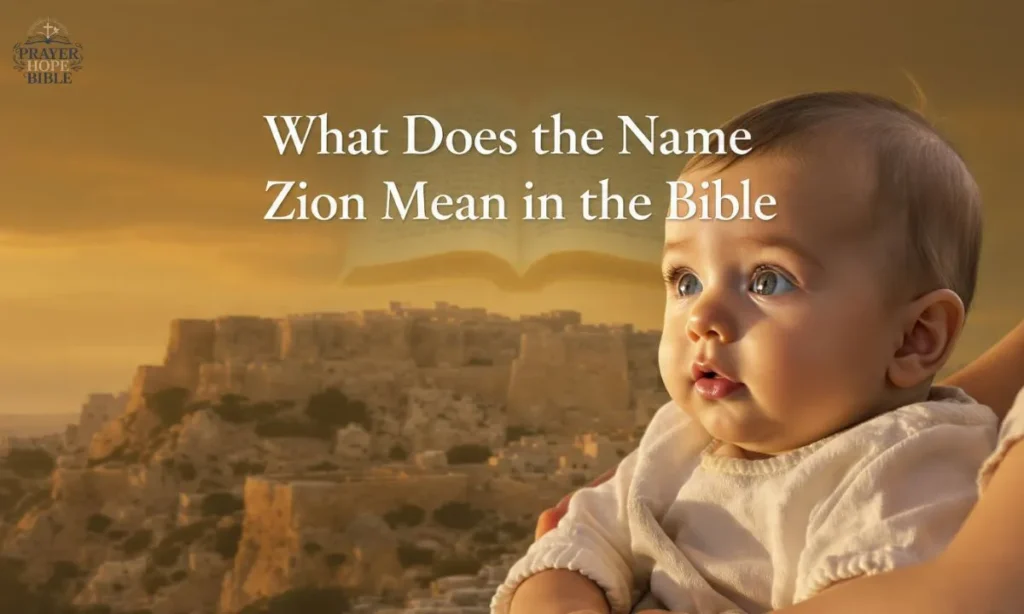
The name Zion originally meant “fortress” or “stronghold” in Hebrew. It was the name of a hill in Jerusalem where King David built his city. Over time, Zion became much more than a location—it turned into a spiritual symbol of God’s chosen place.
In the Bible, Zion represents God’s holy dwelling and His eternal kingdom. It’s where heaven meets earth, a place of divine protection and promised salvation. When Scripture speaks of Zion, it’s speaking of hope, refuge, and the presence of God among His people.
Is Zion a Biblical Name? Full Scripture Explanation
Yes, Zion is absolutely a biblical name that appears over 150 times in Scripture. It first shows up in 2 Samuel 5:7 when King David captured the “fortress of Zion” and made it his capital. From that moment, Zion became deeply woven into Israel’s history and God’s promises.
Throughout the Bible, Zion is mentioned in Psalms, Isaiah, and Revelation as a place of worship, prophecy, and divine presence. The prophets used Zion to speak of God’s future kingdom and the restoration of His people. It’s not just a name—it’s a biblical theme that connects the Old Testament to the New Testament hope of salvation.
Hebrew Roots and Original Meaning of Zion
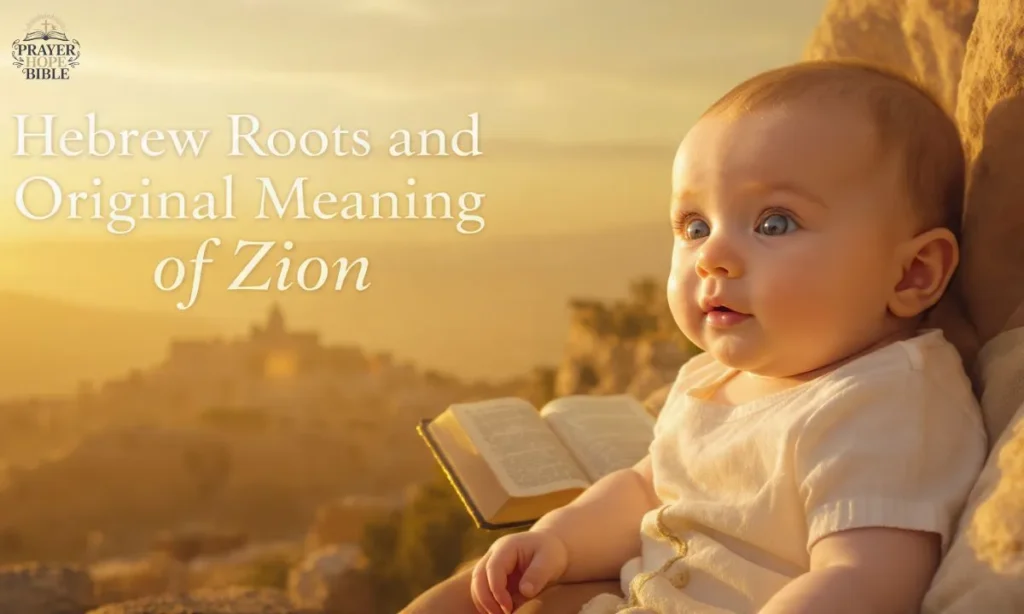
The name Zion comes from the Hebrew word “Tsiyyon” (צִיּוֹן), which likely means “fortress,” “stronghold,” or “elevated place.” In ancient times, it referred to a rocky hill in Jerusalem that was naturally protected and hard to conquer. This made it the perfect place for King David’s city and later, the Temple of God.
The Hebrew root carries a sense of being set apart and lifted high, both physically and spiritually. Zion wasn’t just any mountain—it was God’s chosen mountain where heaven touched earth. Understanding these Hebrew origins helps us see why Zion became a powerful symbol of God’s presence and covenant with Israel.
Spiritual Meaning of the Name Zion in Christianity
In Christianity, Zion represents far more than an ancient city—it symbolizes the Church, the heavenly Jerusalem, and the kingdom of God. It’s where believers find spiritual refuge and eternal hope. Zion points to Christ’s reign and the promise of dwelling with God forever.
Key Spiritual Meanings:
- God’s Dwelling Place – Zion represents where God chooses to live among His people (Hebrews 12:22)
- The Church – Believers are called the “daughters of Zion,” part of God’s spiritual family
- Heavenly Jerusalem – Revelation describes Zion as the eternal city where God will reign forever
- Salvation and Redemption – Zion symbolizes the place where deliverance comes from God (Romans 11:26)
- Spiritual Security – Just as ancient Zion was a fortress, believers find their protection in Christ
- Worship and Praise – Zion is where God’s people gather to celebrate His presence and glory
For Christians today, Zion isn’t just about a physical location—it’s about being part of God’s eternal kingdom. When we speak of Zion, we’re speaking of our spiritual home, our hope in Christ, and the promise of eternal life. It reminds us that we belong to something far greater than this world.
Where Is Zion Mentioned in the Bible? (Key Bible Verses)
Zion is mentioned throughout the Old and New Testaments in powerful ways. 2 Samuel 5:7 records when King David captured Zion, calling it the “City of David.” The Psalms constantly celebrate Zion—Psalm 48:2 calls it “beautiful in elevation, the joy of the whole earth.”
The prophets spoke of Zion’s future glory. Isaiah 2:3 declares that “out of Zion shall go the law,” and Joel 3:17 promises God will dwell there forever. In the New Testament, Hebrews 12:22 tells believers they have come to “Mount Zion, the city of the living God,” showing that Zion represents our spiritual home in Christ.
Zion as a Baby Name: Biblical Symbolism & Modern Use
Naming a child Zion carries deep biblical symbolism and spiritual weight. It connects the child to themes of God’s presence, divine protection, and heavenly promise. Parents who choose this name often want their child to embody strength, faith, and a sense of being set apart for God’s purpose.
In modern times, Zion has become increasingly popular as a baby name for both boys and girls. It reflects a desire for names with spiritual meaning and cultural significance. Choosing Zion isn’t just about a beautiful sound—it’s about giving your child a name that speaks of hope, refuge, and belonging to God’s eternal kingdom.
Is Zion a Boy or Girl Name in the Bible?
In the Bible, Zion is not used as a personal name—it’s a place name for Jerusalem and God’s holy mountain. However, Scripture does refer to “daughter of Zion” (Isaiah 62:11), using feminine imagery to describe God’s beloved people. This shows Zion can carry both strength and tenderness in meaning.
Today, Zion is used as a unisex name, though it’s more popular for boys. Whether for a son or daughter, it carries powerful biblical symbolism—faith, protection, and divine purpose. Choosing Zion means giving a name rooted in Scripture and filled with spiritual significance.
Zion in the Old Testament vs New Testament
In the Old Testament, Zion is primarily a physical place—the hill in Jerusalem where David’s city and the Temple stood. It represents God’s earthly dwelling, Israel’s capital, and the center of worship and sacrifice. Prophets spoke of Zion as the place where God would restore His people and establish His kingdom.
In the New Testament, Zion takes on a deeper spiritual meaning. It’s no longer just a location but represents the Church, the heavenly Jerusalem, and all believers in Christ. Hebrews 12:22 says Christians have come to “Mount Zion,” showing that through Jesus, we’re part of God’s eternal kingdom that transcends any earthly city.
Don’t Miss: Ava Name Meaning in Bible
Mount Zion Meaning in the Bible
Mount Zion was the hill in Jerusalem where King David built his city and Solomon later built the Temple of God. It became the “holy mountain” because it housed the Ark of the Covenant and was the center of worship. This mountain represented God’s throne on earth and His dwelling place.
Beyond geography, Mount Zion symbolizes God’s eternal kingdom and spiritual authority. The prophets spoke of it as the place where nations would learn God’s ways (Isaiah 2:2-3). In Revelation 14:1, it’s where the Lamb and His redeemed stand victoriously, representing our final home with God in heaven.
Personality Traits Associated with the Name Zion

People named Zion are often seen as strong, spiritual, and natural leaders. The name carries a sense of being set apart with a higher purpose, inspiring confidence and determination. Many associate Zion with protection, refuge, and unwavering faith—traits reflecting its biblical meaning.
Children named Zion may grow with a strong sense of identity and spiritual awareness. The name encourages courage, hope, and connection to something greater than themselves. Carrying the name Zion can inspire a person to be a source of strength to others, just as biblical Zion was a beacon of God’s presence.
Biblical Names Similar to Zion
- Eden – Paradise, delight, God’s original garden of peace
- Salem – Peace, wholeness, ancient name for Jerusalem
- Shiloh – Peaceful one, place of rest, Messiah’s title
- Judah – Praise, gratitude, name of Israel’s royal tribe
- Canaan – Promised land, lowland, God’s covenant inheritance
- Jordan – Descending, flowing down, river of transformation
- Bethel – House of God, sacred place of worship
- Carmel – Garden, fruitful land, God’s vineyard and beauty
- Moriah – Chosen by God, mountain of sacrifice and provision
- Gilead – Hill of testimony, healing balm, place of refuge
Frequently Asked Questions
What does the name Zion mean in the Bible?
Zion means “fortress” or “stronghold” in Hebrew and refers to a hill in Jerusalem that became a symbol of God’s presence and His eternal kingdom.
Is Zion mentioned in the Bible?
Yes, Zion is mentioned over 150 times in Scripture, appearing in 2 Samuel, Psalms, Isaiah, and Revelation as a place of worship, prophecy, and divine dwelling.
Is Zion a good name for a baby?
Yes, Zion is a beautiful biblical name carrying deep spiritual meaning—representing strength, faith, protection, and being set apart for God’s purpose.
What is Mount Zion in the Bible?
Mount Zion is the holy hill in Jerusalem where David’s city and the Temple stood, symbolizing God’s throne on earth and His eternal kingdom in heaven.
Is Zion a boy or girl name?
Zion is a unisex name used for both boys and girls, though more common for boys—it carries biblical symbolism of faith, strength, and divine purpose regardless of gender.
Conclusion
The Zion name meaning in Bible goes far beyond a simple definition—it represents God’s presence, divine protection, and eternal salvation. From its Hebrew roots as a fortress to its symbolism as the heavenly Jerusalem, Zion carries profound significance. Whether for biblical study or as a baby name, Zion connects us to God’s unchanging promises.
Choosing the name Zion reminds us we belong to something greater than this world. It’s a name filled with hope, strength, and spiritual identity—a beautiful reflection of God’s kingdom. May Zion inspire faith, courage, and a deep sense of being loved and chosen by God Himself.

James has 4 years of experience writing blogs on Bible studies and prayer. Passionate about spreading hope and faith, he now contributes to prayerhopebible.com, offering insightful and inspiring content to guide individuals in their spiritual journey.
